Inclusive Yoga and Conscious Service with Seane Korn
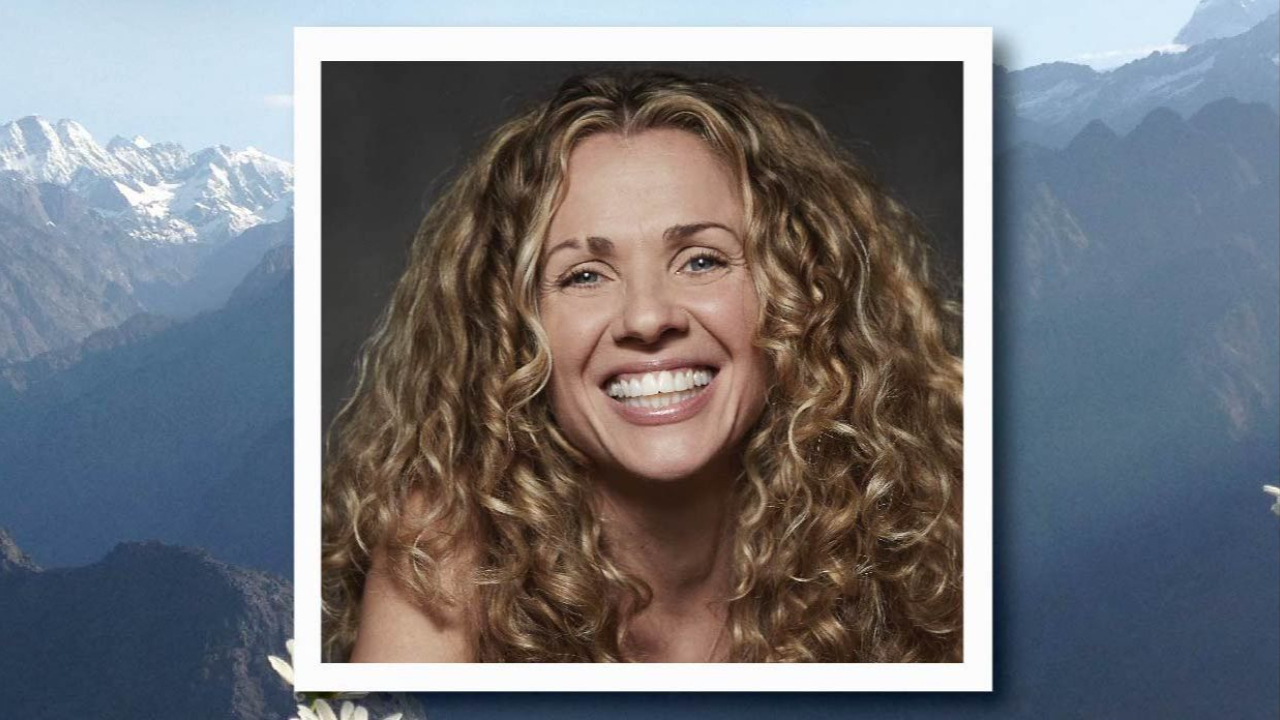
Yoga teacher and social justice activist Seane Korn speaks on the power of collective action to transform the world we inhabit. Through her decades-long practice, she has cultivated the ability to stay present, grounded, and compassionate even in the face of injustice:
“I realized that I had developed through the practice of yoga skills that when I would get triggered, and I still get triggered, but in the moment when I feel the impulse of the injustice move through my body—which is personal—when I feel the rage, I am able to resource, feel my feet on the ground, breathe, stay present, see the humanity that is in front of me, and then communicate based on that shared humanity.”
Seane Korn is an internationally acclaimed yoga teacher and public speaker, renowned for her socially conscious activism, impassioned teaching style, and raw, authentic self-expression. Over her 25-year career, she has produced influential instructional DVDs, including the groundbreaking The Yoga of Awakening series with Sounds True. Featured on over 40 magazine covers and numerous media outlets, Seane uses her platform to raise awareness on critical global issues such as social justice, sex trafficking, HIV/AIDS, generational poverty, and animal rights.
Anandra had the great privilege to have talked with Seane Korn. The interview video below was for our Mantras for Peace: A Wisdom Gathering project.*
A Conversation with Seane Korn Exploring Inclusivity on the Yogic Path
Anandra:
Welcome to the jungles of Rishikesh and Mantras for Peace with Seane Korn. It's a pleasure to have you.Seane:
Thank you very much.Anandra:
Much of your work focuses on inclusivity. One of the main intentions of the Mantras for Peace project is to encourage practitioners to expand beyond personal practice and embrace all beings, all worlds, through mantra, meditation, and daily spiritual discipline.
Would you speak about inclusivity?
Inclusivity Begins with Accountability
Seane:
The most important thing is recognizing — and I can only speak as a white woman of privilege — that separation is normalized in dominant culture. We benefit from that oppression, and often we’re unconsciously complicit.The first key to healing is accountability:
- recognizing how we benefit,
- how we participate in separation,
- and actively working to change it within ourselves.
To say, “I want more diversity, where are the Indigenous people and people of color?” is still hierarchical and arrogant. It ignores: How have I contributed to these divisions? Racism, bias, discrimination, and stereotyping are often internalized. Our rational mind says, “That’s not me,” but our body carries generational imprints — cultural, religious, ancestral. Under stress, we revert to the primal brain, acting from fear. That’s where separation happens. Instead of shame or denial, we need to normalize talking about our internalized biases. When we take accountability, we create safer environments that naturally magnetize diversity and inclusivity.
The inner work comes first.
Yogic Practice as the Path of Awareness
Seane:
It’s the bravest work. It’s easy to point outward and say, “They’re racist. They’re sexist.” But unless I’m willing to see those same shadows within myself, I can't grow. Yoga practice without accountability becomes arrogance. Decentering myself is part of inclusivity. For example, if I’m invited to speak or be photographed, I ask:
- Are people of color included?
- What about people with different abilities or sexualities?
If not, I may decline or suggest another teacher, often someone from the margins. Or propose sharing the space side-by-side. Using my positionality for change is essential. That is part of the practice.
Anandra:
So the first responsibility is bringing awareness to what's unconscious within us — which is essentially the work of yoga.Seane:
It’s the bravest work. It’s easy to point outward and say, “They’re racist. They’re sexist.” But unless I’m willing to see those same shadows within myself, I can't grow. Yoga practice without accountability becomes arrogance. Decentering myself is part of inclusivity. For example, if I’m invited to speak or be photographed, I ask:
- Are people of color included?
- What about people with different abilities or sexualities?
If not, I may decline or suggest another teacher, often someone from the margins. Or propose sharing the space side-by-side. Using my positionality for change is essential. That is part of the practice.
How to Begin Awakening to Global Reality
Anandra:
For people who haven't traveled or experienced other cultures, how can they begin awakening to global context and unconscious bias?Seane:
Start by reading Black and Indigenous authors. Read their stories. We do learn about injustice, but many of us never had to take action — because doing so means giving up unearned advantages. To truly say “we are one,” we must also recognize the ways we are not the same. I have advantages others don’t:
I can walk hand-in-hand with my partner safely.
I can get visas easily.
I don't get watched in stores. These are unearned privileges. Recommended reading:
- White Fragility
- The New Jim Crow
- Books by Michelle Johnson on yoga and social justice
Learn from people most impacted. Their stories matter.
The Problem with Spiritual Bypass in the Global Yoga Community
Anandra:
How do you personally handle spiritual bypass — the “all is one,” “love and light,” avoidance?Seane:
People know my work is deliberately confrontational in service of truth. Detachment can become dissociation. In trauma-informed yoga, bypassing is harmful. Avoidance is encouraged everywhere, not just in spiritual circles. How I address it depends on context. If it’s a student, I invite inquiry and challenge bypass gently, based on their emotional capacity. If someone directs bypass language at me, I set boundaries for my own healing. I don’t allow rhetoric that encourages avoidance. I would love to bypass — have a glass of wine and forget it all — but that’s not what I signed up for. We don’t heal until we feel. Rage, shame, grief — all must be acknowledged. If not, they leak out in harmful ways. Awareness is always the first step.
From Self to Service: Expanding the Yogic Path
Anandra: Many yogis at a certain point shift from personal bliss to collective service. When did that shift happen for you?
Seane: I’ve always had issues with injustice. I became a social justice activist in the late 80s — HIV/AIDS, gay rights, women’s rights. But I had no tools. I was angry, aggressive, frontline — yelling, screaming. What I loved wasn’t the activism; it was the discharge of energy. I felt better after a rally, but I wasn’t processing my anger or grief. I became addicted to activism without healing. Yoga changed that. Through yoga, I learned to regulate myself when triggered. I learned to breathe, to feel my feet, to see humanity, to communicate from shared truth. I realized I needed to be for something, not against. For justice, for compassion, for possibility. Being for creates dialogue, empathy, movement. Being against builds walls.
Redefining Service as a Lifelong Yogic Practice
Seane: Service looks different in every season of life. My partner’s service was raising his children. That’s activism — nurturing future compassionate humans. Anything that supports peace and the wellbeing of all beings is service:
- raising children
- community leadership
- teaching mantra or nada yoga
- sound healing for trauma recovery
- environmental care
- supporting marginalized communities
My mantra is:
No one is free until we are all free. Our liberation is bound together.Service is not separate from yoga. It is yoga.
As essential as asana, pranayama, mantra, or meditation.
Learn more about Laura Plumb awesome work at: https://www.seanecorn.com
Awakening, Service, and the Healing Power of Sound
Seane Korn’s journey reminds us that true transformation begins with awareness—of ourselves, our privileges, and the ways we unconsciously participate in separation. Through the practice of yoga, trauma-informed awareness, and courageous action, we can respond to injustice with compassion, presence, and a commitment to collective healing.
Incredible personal and professional transformation stories from a few of the Heart of Sound trainees -- from 2014 to now -- speak about their experiences about training with Anandra in India, Hawai'i, Australia, Germany, and online. Over 500 people from 65 countries have taken this training. They learned sound therapy through traditional Indian sound yoga techniques like Sanskrit mantra, vocal toning, learning nada yoga, how to play harmonium, lead kirtan chants, nonviolent communication, and much more. Sound Healing Yoga, Mantra Therapy, Nāda Yoga and Sanskrit Mantra Teacher Trainees Speak!
At Heart of Sound, we embrace this same philosophy through the power of sound healing, mantra, and nada yoga, helping individuals connect deeply with themselves while contributing positively to the world around them. Whether through therapeutic chanting, sound meditation, or conscious leadership training, the work of inner awareness and outer service goes hand in hand.
Your voice, your practice, and your presence are unique medicines for the world. As Seane Korn illustrates, embracing your authentic expression—through yoga, sound, or mindful action—can ripple outward, creating spaces of inclusivity, healing, and empowerment for all.
FREE Sanskrit Mantra pronunciation tips for lovers of sacred sound!
Tune up your chanting, address common mistakes, and increase your reverence and devotion to the power of Sanskrit mantra with the treasure trove of free resources available.
A good place to start is this video: Sanskrit Mantra Yoga: Pronunciation (the LEAST you need to know!)
It's my passion to tune people into the mystical, embodied, juicy sounds because they will BLOW YOUR MIND.

- Discover the best sound yoga therapy, mantra meditation, and nada yoga here:
- Dive deep with the world's first and only online sound and mantra 200HR & 500HR Teacher Training
- More free sound baths and chant experiences of all different types are available at HeartofSound on YouTube / Sound Bath Playlist
- Get to know Anandra through her IG reels and media appearances.
- Interested? ☎️ Book a FREE 30 minute Discovery call! Let's explore together and find the perfect option
Mantras for Peace: A Wisdom Gathering Online
Many of the world’s indigenous wisdom cultures acknowledge that the unseen sound of prayers keep the delicate fabric of life in harmony.
Learn about ancient and innovative subtle activism practices from thought leaders, teachers, and artists from 6 continents in Mantras for Peace: A Wisdom Gathering Online

👂🏽 From labels to listening
🤝 From divisiveness to deescalation
🤗 From extremism to empathy
💞 From disassociation to deep connection
Featuring radically inspiring and thought-provoking conversations with global thought leaders dedicated to a vibrant future through ancient and innovative subtle activism practices, Mantras for Peace: Wisdom Gathering is an all-volunteer project dedicated to empowering people with peacemaking skills. (Originally aired 2019 & 2021)
Hosted by Anandra George, a pioneer in the transformational personal practice of sound and mantra and founder of the Heart of Sound.
45 profound, provocative, inspiring conversations with a diverse panel of global thought leaders.
Together, let's explore ancient and innovative subtle activism practices for a vibrant future!
Featuring radically inspiring and thought-provoking conversations with
Neuroscience Educator Dr. Sarah Peyton
Trauma Informed NVC Facilitator Meenadchi
Biologist Bruce Lipton, Arhuaco
Medicine Keeper Biskungwi Marquez
Futurist Christine Mason
Sanskrit Scholar Dr. Katy Jane
Tantra Expert Devi Ward Erickson
Marketing Queen Mari Smith
Devotional Musician Punnu Singh Wasu
Voice Expert Chloe Goodchild
Yoga Philosophy Teacher Bhavani Maki
Artist Activist Zena El Khalil
Sound Medicine Expert Dr. Kulreet Chaudhary
Peace Activist Michelle Button
Mantra Researcher Gemma Perry
Musician Gina Salā
Wellness Entrepreneur Ayana Dake
Devotional Singer Radhamadhav Das
Non-Violent Communication Trainer Jori Manske
Yoga Misfit Dana Trixie Flynn
Musician Sheela Bringi and More...

